

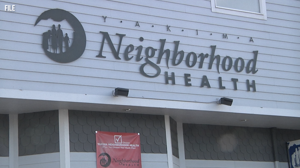
YAKIMA, Wash. – Yakima Neighborhood Health Services has received national certification for medical respite care from the National Institute for Medical Respite Care. This achievement makes it one of the first organizations in Washington to earn this designation.
The program, which began in 2010, supports individuals without a home who are too sick to remain on the streets but not sick enough to require hospitalization. The goal is to prepare these individuals for life after they leave care.
Michael Carpenter, who lived on the streets for 10 years, is currently receiving care through this program. He shared his experience.
“It got me off the streets, got me in a warm place where I needed,” he said.
Carpenter explained the impact of the care,
“My foot was extremely bad. [I have] Got an infection in my bone, and they feed well, it’s a place to just rest and heal,” he explained
For the past month, Carpenter has been in respite care with Yakima Neighborhood Health Services while his leg heals. He expressed his gratitude for the environment.
“It’s a place to rest and get away. And they got comfortable beds, nice showers, microwave, you know, food. All the people are nice, you know, that worked there. So, it’s been stressless,” he said.
This program, initially conceptualized by the homeless community, has now achieved national certification for its respite care. Program officials emphasize the importance of safety and security for participants.
“We want to make sure that people know that we’re doing a good job, we’re being good stewards of state and federal funding, and that these programs really work,” said Annette Rodriguez, YNHS’s Housing & Homeless Services Director. “They have privacy, they have security. It’s safe. They don’t have to worry about if they put their head down or lay their head down on a pillow to fall asleep, that somebody is going to come across and steal their medications or, you know, steal something that they might have.”
Carpenter noted the reduction in stress since entering the program.
“A lot of the stresses just kind of vanished since I’ve been inside there. I get away from all [the] stressful individuals and things out there,” he said.
Participants in the program can stay for up to 90 days to remain eligible for housing. Rodriguez explained that during their time in the program, individuals will be matched with housing specialists, nurses, and case managers to facilitate their transition through and out of care.