

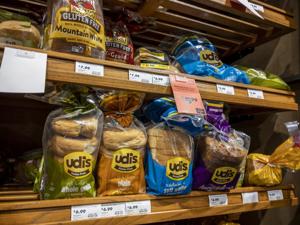
Gluten-free foods have moved far beyond specialty shelves and into the mainstream. The gluten-free market is valued at nearly 8 billion dollars, and is expected to double in the next five years. One of the fastest-growing sectors of that market is the global gluten-free confectionery industry, which generated $3.2 billion in 2022 and is projected to reach $6.6 billion by 2032.
Market growth in this area is driven by several factors, primarily the acceleration of health and wellness trends worldwide. Increasing awareness and diagnosis of gluten-related disorders is also a major contributor. Additionally, food manufacturers recognize the demand for such items and are expanding product offerings while seeking innovative ways to produce and drive demand.
Raising awareness
If you’re still unfamiliar with what gluten-free entails, the protein gluten is typically found in wheat, barley, or rye. It serves as a binder for breads, pastas, cereals, and baked goods. Gluten also appears in many processed foods, such as soups and sauces, as well as confections and candies.
About 1% of the population suffers from celiac disease, although it seems to be more prevalent in the United States. It’s estimated that between five and six percent suffer from non-celiac gluten sensitivity, although a larger number of self-diagnosed cases exist. Additionally, more and more doctors and dieticians recommend a gluten-free or gluten-limited diet for various ailments.
Feeding the Appetite
Food manufacturers, especially major players like Conagra, Nestlé, and Mondelez, see demand for gluten-free products rising and are making a point of expanding their options for consumers. Sometimes that means a little clever merchandising.
“Most traditional candy has actually been gluten-free from the start,” points out Michael Braddock, the CEO and co-founder of Éban’s Bakehouse and a nationally recognized gluten-free expert. “What’s changed is the marketing — manufacturers realized that adding ‘gluten-free’ to the label signals’ healthier’ or ‘cleaner,’ so they’re leaning into the trend because consumers respond to it.”
The rise of plant-based and vegan diets has also added to the quantity of gluten-free options. Many gluten-free products are naturally plant-based, and manufacturers have developed vegan-friendly options to cater to both expanding consumer segments.
Wellness is the Watchword
Coming out of the pandemic lockdowns, most market segments have seen expansion in wellness, from travel to diets to real estate. People overall are seeking better, healthier lives. For better or worse, gluten-free is seen by many as an obvious wellness choice. If you’re going to indulge, make it a healthier sweet. But that’s not always the case.
“For people who do not have celiac disease or a gluten intolerance, there are really no specific health benefits that are associated with choosing gluten-free candy,” explains Dr. Randal Turner, D.O., the medical director at Able2Change in San Juan Capistrano, CA. “Many gluten-free alternatives may actually contain more sugar, calories, and fat to compensate for the missing gluten, which may make them slightly less healthy than regular baked goods. The perception that gluten-free products are inherently healthier is a significant driver of the market but is usually a big misconception.”
No Sacrificing Flavor
One clear sign of the proliferation of gluten-free sweets – retailers are not only stocking more gluten-free holiday items, but they’re stationing them right alongside other seasonal snacks, rather than restricting them to the specialty food aisles.
“As a dietitian, and someone who has started following a gluten-free diet in the past year for my thyroid health, I would have to say that there are way more gluten-free sweets out there than you’d think!” shares Shelley Balls, MDA, RDN, LDN, a registered dietitian and nutritionist for Flawless Bloom. “Whether you’re eating gluten-free because you have Celiac Disease, gluten intolerance, or for other reasons, now more than ever it’s easier to find gluten-free sweets.”
While some gluten-free bakers and candy makers may face challenges replicating the taste and texture of their usual goods, this may deter some consumers due to concerns about flavor and texture quality. However, brands like Hail Merry, Pamela’s Products, and SmartSweets have gone out of their way to ensure the taste and texture are spot-on.
“I’ve learned that living gluten-free doesn’t mean giving up the snacks you love,” explains Bella Bucchiotti, founder of xoxoBella. “It’s a relief to grab something sweet at the grocery store or even a corner shop and know it’s safe for me. Brands like SmartSweets prove that gluten-free candy can still feel like a treat, not a compromise.”
Braddock adds: “Gluten-free sweets often use alternative starches and grains that let natural flavors shine — chocolate becomes more intense, fruits taste brighter, spices stand out more clearly.”
Sweet Satisfaction
According to 2022 data, Europe is the source of nearly half of all gluten-free confections. North America and the Asia-Pacific regions aren’t far behind. It will be interesting to see how else the market changes in the next 5-7 years, especially as more folks look to gluten-free as a positive health move.
But Balls offers a word of caution: “I definitely don’t recommend eating gluten-free unless you actually feel better following a gluten-free diet, or need to medically.” You should always check with your doctor before making significant diet changes.