


Photo Credit: Tong Stocker / Shutterstock
Despite signs of slowing demand, the U.S. construction industry continues to face a significant labor shortage. The Associated Builders and Contractors (ABC) estimates that the industry will require 439,000 additional workers in 2025 to meet demand—a slight decrease from the 501,000 projected for 2024. The reduction reflects cooling construction spending growth, particularly in interest-rate-sensitive sectors such as residential housing and commercial development. Even with slowing growth, the labor gap remains substantial.
Contractors across the country continue to report difficulty hiring, especially for skilled trades positions. Industry surveys suggest that nearly 80% of contractors are struggling to fill open roles, pointing to structural issues—including an aging workforce, underinvestment in vocational education, and limited immigration flows—as root causes.
Amid these labor market pressures, construction wages are showing upward momentum, but not as much as one might expect. This analysis from Construction Coverage—a publication providing research on business trends, wages, and technology in the construction industry—is based on the latest data from the U.S. Bureau of Labor Statistics (BLS). The analysis looks at how wages are trending across the construction industry nationally, by state, and by specific occupation.
Here are some of the key findings from the analysis:
- Wages Up, Purchasing Power Down: In 2024, construction and extraction workers earned a mean annual wage of $63,920, up 21.6% from 2019 in nominal terms but down 0.9% after adjusting for inflation.
- West Coast Advantage: California, Oregon, Washington, and Nevada combine high wages with strong growth, each topping $69,000 in cost-of-living-adjusted wages and posting 2.6–4.5% real gains since 2019.
- Fastest-Growing Paychecks: Out of all construction jobs, quarry rock splitters (+10.2%), construction helpers (+7.5%), and paving equipment operators (+7.1%) posted the strongest inflation-adjusted wage gains over the past five years.
Construction Wage Growth Over Time
After rising sharply in 2024, construction wages dropped 6.2% between Q1 and Q2 2025

Source: Construction Coverage analysis of U.S. Bureau of Labor Statistics data | Image Credit: Construction Coverage
One of the best ways to attract more qualified workers to the construction sector is through higher pay. While construction jobs tend to pay well compared to other occupations with similar educational requirements, construction wages have recently struggled to keep pace with inflation.
After peaking in early 2025, median weekly earnings for full-time construction and extraction occupations declined by 6.2% between the first and second quarters—from $1,096 in Q1 to $1,028 in Q2. Adjusted for inflation, construction wages were down 0.4% year-over-year as of Q2 2025.
When looking at the five-year period ending in 2024—the latest year for which more granular geographic and occupation-specific data is available—wages in the construction industry also failed to keep pace with inflation. At the national level, across all construction and extraction occupations, mean wages fell by 0.9% after accounting for rising living costs.
Regional Differences in Construction Wages & Wage Growth
The West Coast stands out for both high wages and strong wage growth

Source: Construction Coverage analysis of U.S. Bureau of Labor Statistics and U.S. Bureau of Economic Analysis data | Image Credit: Construction Coverage
The West Coast stands out for both high wages and strong construction wage growth. California, Oregon, and Washington each report cost-of-living-adjusted mean annual wages above $69,000 and rank among the top states for inflation-adjusted wage gains over the past five years. Washington’s wages rose by 2.6% in real terms from 2019 to 2024, while Oregon and California posted increases of 3.9% and 3.4%, respectively. Nevada, another western state, has a cost-of-living-adjusted mean wage of $69,045 for construction workers, and recorded a 4.5% increase after accounting for inflation.
Nationwide, Illinois leads in pay with a cost-of-living-adjusted mean annual wage of $80,734, followed by Alaska ($78,435), Hawaii ($75,804), North Dakota ($74,685), and Minnesota ($74,286). Many of these high-wage states have a strong union presence or prevailing wage laws, which help sustain higher pay for construction workers. However, even in these states, recent inflation has eroded gains—Illinois’ wages are down 5.7% and Alaska’s by 2.1% over the past five years after adjusting for price increases.
The fastest real wage growth for construction workers occurred in Maine, where wages rose 9.2% between 2019 and 2024 after adjusting for inflation. Other top performers include Idaho (+6.0%), Florida (+5.8%), and South Dakota (+4.6%). In contrast, half of all states saw inflation-adjusted declines in construction wages during the same period, with the sharpest drops in Connecticut (-7.5%), New York (-6.5%), and Louisiana (-5.9%).
While geography plays a role, wages in the construction industry vary even more by occupation, with some roles experiencing far more wage growth than others. Below is a list of the 10 construction jobs with the fastest-growing wages nationally between 2019 and 2024. For a complete list of the construction jobs with the fastest wage growth in each state, see the original post on Construction Coverage: Construction Jobs With the Fastest-Growing Wages.
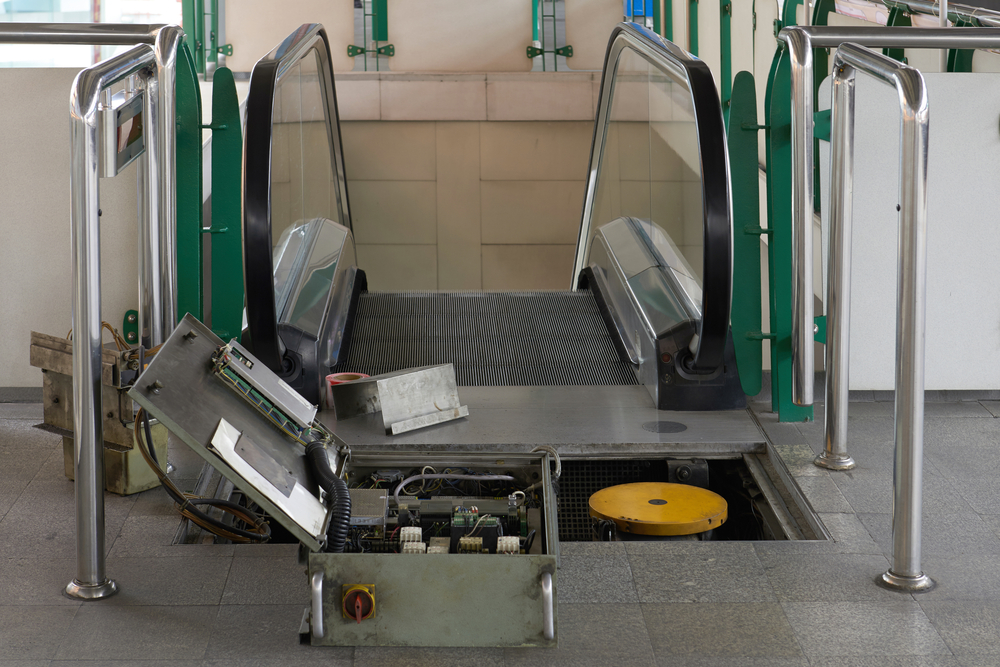
Photo Credit: MiloLabrador / Shutterstock
10. Elevator and Escalator Installers and Repairers
- 5-year percentage change in wage (nominal): +26.0%
- 5-year percentage change in wage (inflation-adjusted): +2.7%
- Mean annual wage (2024): $104,860
- Mean annual wage (2019): $83,250
- Total employment: 23,340
Elevator and escalator installers and repairers are responsible for installing, maintaining, and repairing elevators, moving walkways, escalators, and similar types of equipment.

Photo Credit: Attasit Saentep / Shutterstock
9. Roofer Helpers
- 5-year percentage change in wage (nominal): +26.1%
- 5-year percentage change in wage (inflation-adjusted): +2.8%
- Mean annual wage (2024): $42,070
- Mean annual wage (2019): $33,350
- Total employment: 5,170
Official BLS title: “Helpers–Roofers.” These workers help skilled roofers by performing lower-level job tasks, such as using, supplying, or holding materials or tools, and cleaning work areas and equipment.

Photo Credit: Mark Agnor / Shutterstock
8. Underground Mining Loading and Moving Machine Operators
- 5-year percentage change in wage (nominal): +27.4%
- 5-year percentage change in wage (inflation-adjusted): +3.9%
- Mean annual wage (2024): $68,470
- Mean annual wage (2019): $53,730
- Total employment: 6,130
Official BLS title: “Loading and Moving Machine Operators, Underground Mining.” These workers run equipment that loads, hauls, and moves materials in underground mines. They operate machines such as shuttle cars, loaders, or conveyors to transport ore, coal, or rock in confined spaces.

Photo Credit: Bogdanhoda / Shutterstock
7. Mason, Tile Setter, and Marble Setter Helpers
- 5-year percentage change in wage (nominal): +29.4%
- 5-year percentage change in wage (inflation-adjusted): +5.4%
- Mean annual wage (2024): $49,730
- Mean annual wage (2019): $38,440
- Total employment: 15,660
Official BLS title: “Helpers–Brickmasons, Blockmasons, Stonemasons, and Tile and Marble Setters.” These workers help brickmasons, blockmasons, stonemasons, and tile and marble setters by fetching and holding supplies, cleaning up the work area, and maintaining tools and equipment.
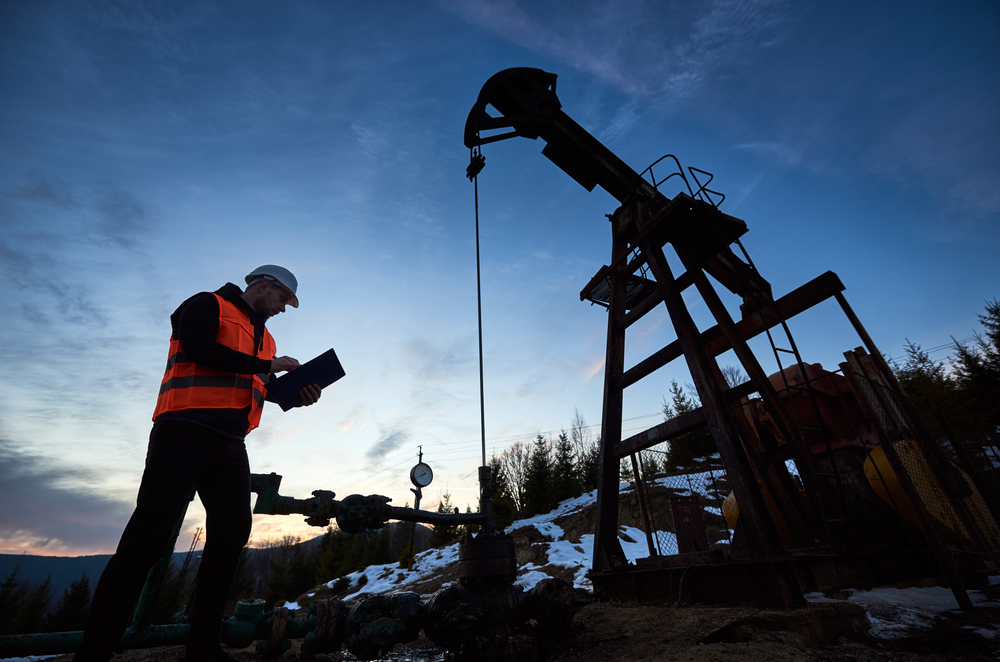
Photo Credit: Anatoliy Gleb / Shutterstock
6. Oil and Gas Derrick Operators
- 5-year percentage change in wage (nominal): +30.1%
- 5-year percentage change in wage (inflation-adjusted): +6.0%
- Mean annual wage (2024): $62,490
- Mean annual wage (2019): $48,030
- Total employment: 11,040
Official BLS title: “Derrick Operators, Oil and Gas.” These workers set up, operate, and maintain the derrick and related equipment used in drilling oil and gas wells. They guide the drill pipe into position, monitor drilling operations, and ensure the machinery runs safely and efficiently.

Photo Credit: Virrage Images / Shutterstock
5. Fence Erectors
- 5-year percentage change in wage (nominal): +31.0%
- 5-year percentage change in wage (inflation-adjusted): +6.7%
- Mean annual wage (2024): $50,550
- Mean annual wage (2019): $38,600
- Total employment: 22,640
Fence erectors install and repair fences, gates, and related structures to meet specifications for residential, commercial, or industrial properties. They measure and mark layout lines, dig postholes, set posts, attach fencing materials, and ensure the finished structure is secure, level, and aligned.

Photo Credit: Kzenon / Shutterstock
4. Extraction Worker Helpers
- 5-year percentage change in wage (nominal): +31.1%
- 5-year percentage change in wage (inflation-adjusted): +6.8%
- Mean annual wage (2024): $50,330
- Mean annual wage (2019): $38,390
- Total employment: 6,720
Official BLS title: “Helpers–Extraction Workers.” These workers assist skilled extraction professionals, such as earth drillers, explosives workers, and derrick operators, by carrying out tasks that require less technical skill. Typical responsibilities include delivering tools and materials, maintaining or cleaning work areas, and supporting overall operations.

Photo Credit: Stockr / Shutterstock
3. Paving, Surfacing, and Tamping Equipment Operators
- 5-year percentage change in wage (nominal): +31.4%
- 5-year percentage change in wage (inflation-adjusted): +7.1%
- Mean annual wage (2024): $58,660
- Mean annual wage (2019): $44,630
- Total employment: 45,680
Paving, surfacing, and tamping equipment operators control machines that spread and compact materials like asphalt, concrete, or gravel to build or repair roads, runways, and other surfaces. They monitor equipment performance, adjust controls for even application, and ensure the finished surface meets required specifications.

Photo Credit: Afotostock / Shutterstock
2. Miscellaneous Construction Trade Helpers
- 5-year percentage change in wage (nominal): +31.9%
- 5-year percentage change in wage (inflation-adjusted): +7.5%
- Mean annual wage (2024): $44,040
- Mean annual wage (2019): $33,400
- Total employment: 25,510
Official BLS title: “Helpers, Construction Trades, All Other.” These workers help skilled trades workers with activities that require less skill. This occupation category specifically excludes helpers of blockmasons, brickmasons, carpenters, electricians, painters, paperhangers, plasterers, pipefitters, pipelayers, plumbers, roofers, steamfitters, stonemasons, stucco masons, and tile and marble setters.
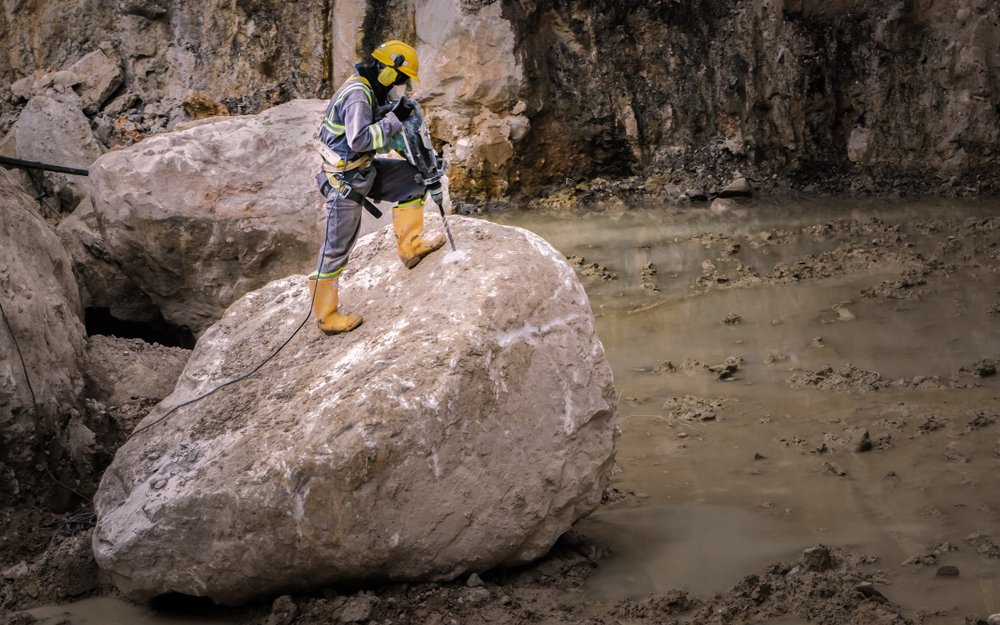
Photo Credit: David Antonio Lopez Moya / Shutterstock
1. Quarry Rock Splitters
- 5-year percentage change in wage (nominal): +35.2%
- 5-year percentage change in wage (inflation-adjusted): +10.2%
- Mean annual wage (2024): $50,540
- Mean annual wage (2019): $37,390
- Total employment: 3,080
Official BLS title: “Rock Splitters, Quarry”. These workers typically separate blocks of rough dimension stone from quarry mass using jackhammers, wedges, or chop saws.
Methodology

Photo Credit: Tong Stocker / Shutterstock
Researchers at Construction Coverage analyzed the latest 2024 data from the U.S. Bureau of Labor Statistics’ Occupational Employment and Wage Statistics to identify the construction jobs with the fastest-growing wages. All construction and extraction occupations were ranked by the five-year percentage change in nominal wages from 2019 to 2024. To provide additional context, the analysis also considered inflation-adjusted wage changes and total employment for each occupation.
The study also examined wage growth by state. To ensure reliability, only state-occupation combinations with at least 500 workers were included in the analysis.
For complete results, see Construction Jobs With the Fastest-Growing Wages on Construction Coverage.