

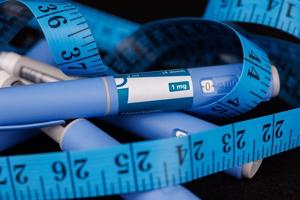
Nearly one in four U.S. households reports using a GLP-1 medication, and projections suggest that figure could rise to 35 percent by 2030. However, new research shows many users may not be getting enough essential nutrients when taking these drugs, causing concerns about vitamin and mineral deficiencies as use grows.
An analysis of dietary patterns among GLP-1 users found widespread shortfalls in protein, fiber and several micronutrients, including vitamin D and potassium. Researchers noted that overall calorie consumption among users was significantly lower than average, which can make fulfilling daily nutrient requirements challenging.
According to a recent study, GLP-1 users may develop vitamin deficiencies, specifically linked to changes in digestion and nutrient absorption. Individuals on these medicines can be at risk for lower levels of vitamins B12 and D because appetite suppression and new eating patterns reduce intake of nutrient-rich foods.
GLP-1 medications, originally developed to treat Type 2 diabetes, also slow gastric emptying and suppress appetite. While these effects support weight loss, they may also reduce nutrient intake from food. With millions of Americans now taking these drugs for weight management, nutrition experts say the findings point out the need for intentional eating strategies.
James J. Chao, MD, FACS, Co-Founder & Chief Medical Officer, at VedaNu Wellness, says, “GLP-1 medications themselves don’t cause nutrient deficiencies but they sure can lead to them because you end up eating less food. When overall volume decreases, protein, iron, vitamin B12, vitamin D, and fiber are typically the biggest micronutrients that I notice become depleted. Decreased appetite and feeling full quickly can limit food options, which over time can lead to nutrient deficiencies.”
Protein and Muscle Preservation
One of the most pressing concerns for GLP-1 users is inadequate protein intake. When overall food intake declines, protein intake often drops as well.
Protein plays a critical function in preserving lean muscle mass. Without enough protein, the body can lose muscle along with fat, which slows metabolism and affects strength and long-term weight maintenance.
Nutrition professionals recommend that individuals using GLP-1 medications prioritize protein at each meal. Lean meats, poultry, fish, eggs, dairy products, legumes, and plant-based protein sources can help maintain muscle while making you feel full.
Andrea Tucker, Health Educator and Founder of Baltimore Gluten Free, suggests, “Some of my favorite ways to get more protein into the diet are with some easy additions and swaps. I recommend focusing on eating your protein in your meal first, before vegetables or sides, because you fill up quickly. Think about making breakfast a protein powerhouse: chia seed pudding mixed with Greek yogurt, egg bites and overnight oats made with chia seeds, Greek yogurt and nuts. For easy swaps, use quinoa (a complete protein) instead of rice. It makes a great base for savory bowls made with beans, cheese, chicken, tofu, whatever you like! If you’re having trouble with protein intake because of feeling full, make a protein-packed smoothie and sip on it throughout the day.”
Closing Micronutrient Gaps
Beyond protein, researchers found that many GLP-1 users fall short on essential vitamins and minerals. In addition to vitamin D and potassium, vitamin B12 can be affected when overall food intake decreases and dietary patterns change.
Nutrient-dense choices can help fill these gaps. Fatty fish, fortified dairy or plant-based milks and egg yolks provide vitamin D. Leafy greens, beans, potatoes and yogurt are good sources of potassium. B12 is found in animal products such as meat, fish, eggs and dairy, and fortified cereals can support intake for those following plant-forward diets.
“Build a micronutrient safety net early. A daily comprehensive multivitamin and targeted iron/calcium/vitamin D supplementation is judicious in many cases; it doesn’t make sense to wait for deficiencies,” suggests Hector Perez, MD, Bariatric Surgeon.
Fiber and Digestive Health
Fiber intake also appears to decline among many GLP-1 users. Because the medications slow digestion and reduce appetite, people may consume fewer fruits, vegetables and whole grains.
Fiber plays an important role in digestive health and blood sugar regulation. Insufficient intake may increase the risk of constipation and reduce the diversity of gut bacteria.
Including small but consistent servings of fiber-filled foods can help. Berries, apples, lentils, oats, chia seeds, and vegetables can be added to yogurt, soups, or smoothies. It’s best to gradually increase fiber intake to improve tolerance.
Making Every Bite Count
As GLP-1 use becomes more widespread, nutrition experts say thoughtful meal planning is important. When appetite is reduced, each meal must deliver more nutritional value.
Choosing foods that provide multiple benefits, such as protein paired with fiber or healthy fats, can help maximize nutrients. Eating smaller meals throughout the day and getting guidance from a registered dietitian can also help reduce the risk of deficiencies.
Kevin R. Gendreau, MD, Board-Certified Obesity Medicine Physician at Signature Healthcare, says, “I tell my patients that these medications are tools, not magic wands. They work best when paired with proactive nutrition and lifestyle advice. That means eating even when you’re not super hungry, prioritizing protein/healthy fats/fiber, and lifting weights (strength training) to protect your muscle mass. With the right advice and follow-through (i.e., accountability with an obesity medicine doctor like myself and/or a team that includes nursing, nutrition and mental health), these deficiencies are avoidable.”
FOX41 Yakima©FOX11 TriCities©