
By Lauren Beavis
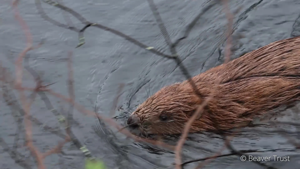
Wild beavers have officially returned to Cornwall – for the first time in 400 years.
The county’s first fully licensed release of two beaver pairs has been described as a “landmark moment for nature recovery in both Cornwall and the nation.”
Cornwall Wildlife Trust has legally released the initial two pairs of beavers at a Trust nature reserve in mid-Cornwall, within the Par and Fowey river catchment, following three years of planning and consultation preceding the government’s decision to allow wild releases in England.
Once widespread across Britain, beavers were hunted to extinction 400 years ago.
Today, they are increasingly recognized as one of nature’s most important keystone species – animals whose presence shapes entire ecosystems.
Conservationists say their return comes at a vital time – with one in six species now at risk of being lost from Great Britain.
Matt Walpole, Chief Executive Officer at Cornwall Wildlife Trust, said: “Today’s release is a landmark for conservation in Cornwall and a testament to over a decade of dedication from our team, supporters and partners.
“Beavers don’t just belong here – they have the potential to transform how our catchments function and how we work with nature to tackle some of the biggest environmental challenges of our time.
“We’re grateful to every organisation and individual who has helped make this possible.”
Through their natural behavior, beavers create wetlands and play a vital role in restoring healthy river systems, explain Cornwall Wildlife Trust.
Their activity slows the flow of water, helping to reduce flooding during periods of heavy rain, while also storing water in the landscape during drier months and increasing drought resilience.
These wetlands filter pollutants and sediments, improving water quality, and support a greater diversity of wildlife, strengthening the overall resilience of the landscape to climate change.
Cornwall Wildlife Trust, which has spent more than a decade working towards the return of beavers to Cornish rivers, has explained how there growing evidence to show what beavers can do for nature recovery, and how quickly they can do it.
Demonstrated beaver activity includes tripling the diversity of pond and water plants, increasing frogspawn abundance by over 6,000 percent, boosting bird species and abundance up to 100m from beaver sites, increasing bat activity by almost 400 percent, raising moth species diversity by 24 percent and increasing dragonfly species sevenfold.
Dr. Roisin Campbell, Head of Restoration at Beaver Trust, said: “Carefully planned reintroductions like this help move beavers from isolated pockets towards healthy, connected populations that can play their role in restoring resilient landscapes.
“This release builds on years of collaboration between Beaver Trust and Cornwall Wildlife Trust, with coexistence, local engagement, and long-term management central to the approach.
“We hope this marks the beginning of restoring the species at the scale needed in the wild to halt species decline, increase wildlife, and ultimately tackle the biodiversity crisis, in line with the government’s legally binding commitments.”
The wild beaver releases have been made possible thanks to the support of Cornish business St Eval, ‘generous’ donors and members, and those who have contributed to the Trust’s Wild Beaver Appeal.
Dr. Rob Stoneman, director of landscape recovery at The Wildlife Trusts, added: “This is a historic moment: this wild beaver release has gone through the formal application process and, in doing so, it paves the way for more to follow.
“It signals a major step forward following many years of The Wildlife Trusts and others making the case for the return of this wonderful, keystone species that can do so much to benefit society.
“If other applications go to plan, Wildlife Trusts hope to be able to release around 100 beavers into seven rivers this year.”